Recognizing the Secret Functions of Pipeline Solutions and Their Influence On Efficiency
Pipeline services play a necessary function in numerous sectors, influencing functional efficiency significantly. Trick attributes, such as sophisticated surveillance modern technologies and upkeep techniques, are vital for decreasing downtime. Furthermore, governing compliance guarantees security and environmental security. The interplay in between design, framework, and financial variables can complicate these procedures. Understanding exactly how these aspects impact total efficiency raises essential questions concerning best practices and future developments in the field.
The Duty of Technology in Pipeline Monitoring
As developments in innovation proceed to evolve, the value of reliable pipe surveillance has actually come to be significantly obvious. Modern pipe systems count on innovative tracking devices that enhance functional performance and safety. Technologies such as real-time information analytics, sensors, and drones offer operators with instant understandings right into pipe conditions, allowing them to identify leaks, deterioration, and various other possible issues prior to they intensify right into considerable problems.
Furthermore, the assimilation of Internet of Points (IoT) tools has actually changed conventional tracking techniques, enabling continual security and automated coverage. This aggressive approach not only minimizes threats however also optimizes upkeep routines and source appropriation. Furthermore, progressed software application platforms promote information visualization and interpretation, encouraging decision-makers to respond promptly to anomalies. Jointly, these technological innovations not just boost pipeline integrity yet additionally foster environmental stewardship by mitigating the possible influence of leaks and spills.
Maintenance Strategies for Improved Performance
Efficient upkeep methods are important for maximizing pipeline efficiency. Carrying out predictive maintenance strategies, adhering to routine examination methods, and establishing durable emergency situation feedback plans can significantly improve operational dependability. These techniques not only reduce downtime yet additionally add to the overall safety and security and integrity of pipe systems.
Anticipating Upkeep Methods
Predictive maintenance strategies are progressively acknowledged for their ability to boost operational performance in pipe services. By leveraging data analytics and keeping track of innovations, these strategies enable operators to expect devices failings prior to they happen. This positive technique lessens unintended downtime, lowers upkeep prices, and expands the lifespan of essential possessions. Sensing units and IoT tools play a crucial duty in accumulating real-time data, allowing for the assessment of devices health and performance trends. Device knowing algorithms analyze this information to recognize patterns and forecast prospective problems. As a result, pipeline operators can schedule maintenance activities during non-peak times, optimizing resource allotment and ensuring constant operation. Ultimately, the fostering of anticipating upkeep fosters a more reputable and reliable pipeline facilities.

Routine Examination Protocols
Routine evaluation methods act as a keystone of maintenance approaches aimed at improving performance in pipe operations - Midland oilfield pipeline services. These protocols include systematic assessments of pipeline stability, concentrating on discovering potential issues prior to they escalate. Normal evaluations normally consist of visual analyses, leak discovery innovations, and stress surveillance to ensure peak efficiency. By sticking to recognized timetables, operators can identify corrosion, product wear, or blockage, therefore decreasing downtime and repair prices. In addition, information collected during assessments can inform anticipating maintenance efforts, permitting for an aggressive technique to pipeline monitoring. Inevitably, regular evaluations not just prolong the lifespan of pipe infrastructure yet also add to more secure and a lot more dependable transport of sources, strengthening general operational efficiency
Emergency Reaction Planning
Emergency feedback planning is necessary for maintaining effectiveness in pipeline procedures, ensuring that drivers are prepared to resolve unanticipated incidents promptly and properly. A well-structured emergency situation response plan consists of clear procedures, marked functions, and communication approaches to minimize dangers linked with pipe failures. Regular drills and training boost team preparedness and familiarize employees with emergency procedures. Furthermore, having readily available resources, such as spill control equipment and emergency get in touch with lists, can considerably minimize feedback times. By incorporating real-time tracking modern technologies, drivers can promptly identify and react to concerns, reducing environmental influence and operational downtime. Inevitably, a complete emergency situation reaction strategy not only safeguards possessions and personnel yet additionally reinforces the general efficiency of pipeline solutions.
Governing Compliance and Security Criteria
Regulatory conformity and safety criteria play an essential duty in the pipeline solutions market. Pipeline services Midland Texas. Following sector policies assures that companies apply reliable security methods and run the risk of monitoring strategies. This commitment not only safeguards employees and the environment yet additionally improves overall functional performance
Compliance With Market Regulations
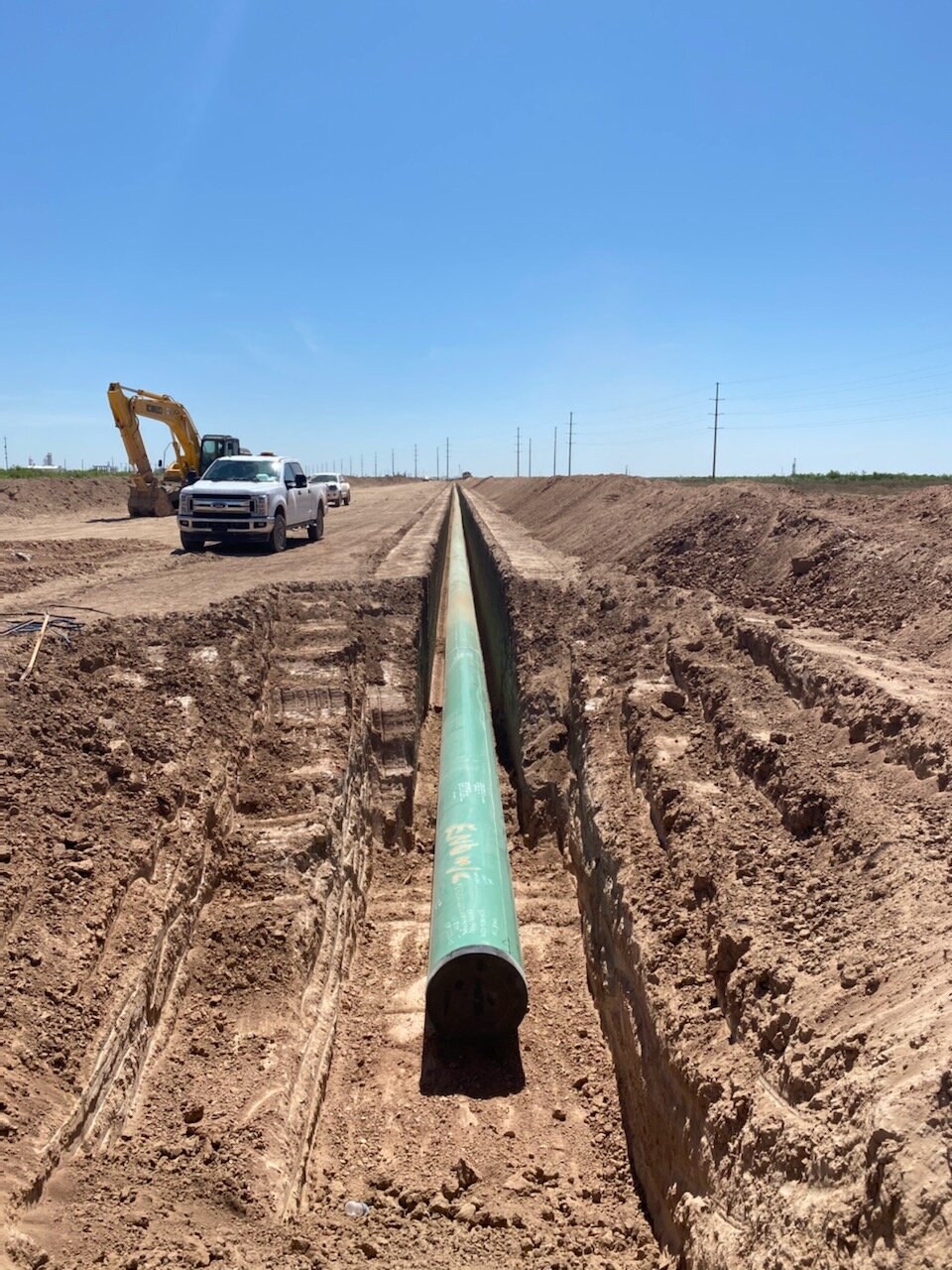
Compliance with sector laws is important for making certain the security and effectiveness of pipeline operations. Regulatory structures, such as those established by the Environmental Security Firm (EPA) and the Pipeline and Hazardous Products Safety Administration (PHMSA), established stringent requirements that operators must follow. These policies cover numerous facets, consisting of pipeline style, building, maintenance, and surveillance, ensuring that systems operate safely and properly. Non-compliance can result in serious charges, operational hold-ups, and environmental dangers. By sticking to these regulations, pipe business not just protect public security and the environment yet also improve their operational performance. Inevitably, regulatory compliance cultivates depend on amongst stakeholders, making certain that pipeline solutions can run perfectly in an affordable landscape while meeting legal obligations.
Security Procedure Application
Reliable safety and security procedure application is an important part of pipe procedures, closely linked to governing compliance and safety standards. Sticking to these procedures not just guarantees the protection of workers however likewise safeguards the environment and infrastructure. A durable safety structure includes regular training, comprehensive inspections, and the usage of proper security tools. Organizations needs to remain watchful in upgrading their procedures to reflect adjustments in policies and technical improvements. Compliance with established safety standards minimizes the risk of crashes and improves functional efficiency. Recommended Reading Additionally, a society of safety cultivates employee interaction and accountability, adding to general organizational success. Inevitably, reliable security protocol implementation is extremely important in maintaining the integrity of pipe solutions and achieving long-term sustainability in operations.
Threat Monitoring Approaches
Applying robust risk administration strategies is crucial for assuring that pipeline operations comply with regulative demands and safety criteria. Organizations must determine potential risks and analyze risks connected with pipeline tasks. This includes carrying out thorough inspections, using innovative monitoring technologies, and maintaining conformity with market policies. Normal training for employees on safety and security procedures improves situational understanding and prepares groups to respond successfully to emergency situations. In addition, establishing contingency plans and conducting drills can significantly alleviate dangers. Working together with regulatory bodies guarantees positioning with developing security requirements. By focusing on threat management, pipe solutions can improve functional effectiveness while guarding both the atmosphere and public safety. Ultimately, an aggressive technique to run the risk of administration fosters a culture of safety within the industry.
Pipeline Layout and Framework Considerations
Just how can the layout and framework of pipes affect total functional performance? The arrangement of pipelines plays a critical function in establishing their performance. Efficient design lessens friction losses, therefore minimizing energy consumption throughout liquid transportation. Factors such as size, product selection, and format straight impact circulation prices and upkeep requirements.
Additionally, critical placement of shutoffs and keeping an eye on systems enhances operational control and safety and security. Creek Pipe Midland TX. Framework factors to consider, consisting of availability for repair and maintenance, considerably affect downtime and general efficiency
Integrating innovative innovation for real-time surveillance assists in prompt discovery of leakages or ineffectiveness, making certain quick actions to issues. The general structural stability, affected by material resilience and ecological elements, resource additionally shapes long-lasting functional success. As a result, thoughtful design and durable framework are necessary for maximizing pipeline effectiveness, ultimately adding to the reliability and productivity of pipeline solutions.
Ecological Influence and Sustainability Practices
While the demand for pipeline services continues to grow, comprehending the environmental effect and embracing sustainability methods has actually come to be significantly important. The building and procedure of pipes can significantly impact ecological communities, wild animals environments, and water sources. To mitigate these impacts, companies are executing sophisticated innovations and methods targeted at lowering exhausts, protecting against spills, and lessening land disruption.
Sustainability initiatives typically include making use of eco friendly products, enhancing energy efficiency, and employing renewable power resources to power procedures. Additionally, business are significantly conducting detailed ecological evaluations prior to project initiation, guaranteeing conformity with laws and stakeholder interaction.

Cost Management and Economic Consider Pipeline Providers
As the pipe industry expands, reliable expense management and comprehending financial aspects come to be essential for keeping competitiveness. Firms face different financial stress, including rising and fall material prices, labor expenses, and regulatory compliance fees. To browse these obstacles, pipe company should adopt strategic financial planning and budgeting practices.
Investing in technology can improve functional effectiveness, ultimately decreasing expenses gradually. Additionally, effective job monitoring assurances that sources are designated effectively, reducing hold-ups and unforeseen costs.

Market conditions, such as need for power and geopolitical factors, likewise affect economic stability. Business have to remain dexterous, changing their techniques in action to these external elements.
Often Asked Concerns
What Are the Various Sorts Of Pipeline Solutions Available?
Various sorts of pipeline services consist of transport, storage space, upkeep, examination, and repair. Each service plays an important role in making certain the seamless movement of products, boosting safety and security, and minimizing functional disruptions across different fields.
Exactly How Typically Should Pipeline Inspections Be Carried Out?
Pipeline assessments must be conducted regularly, usually each to three years, depending upon the type and problem of the pipeline. More frequent examinations may be required for older or high-risk pipelines to guarantee safety and security and stability.
What Are the Key Causes of Pipeline Failures?
The main reasons for pipe failures consist of corrosion, faulty construction, product defects, external damage, leakages, and operational mistakes. Each aspect contributes significantly to prospective risks, highlighting the value of regular maintenance and tracking for security.
Exactly How Can Business Improve Pipeline Service Reliability?
Companies can improve pipe service dependability by implementing normal maintenance timetables, using advanced monitoring modern technologies, carrying out extensive assessments, buying worker training, and embracing positive risk management strategies to prepare for and mitigate possible failures.
What Duty Do Operators Play in Pipeline Services?
Operators play a vital role in pipeline solutions navigate to this website by making sure safe transportation, preserving devices, keeping track of system honesty, collaborating upkeep, and responding to emergency situations. Their competence straight affects operational efficiency and reduces disturbances in service distribution.